




The Psychology of Comfort: Footwear’s Role in Nurse Performance and Mood


136Views
Nursing is a very demanding field that includes long hours of standing and walking and constant patient care in many settings. In Australia, health systems face pressure, so comfort in footwear goes beyond relief and links to performance, wellbeing, and care delivery ability.

Footwear as a Base for Daily Performance
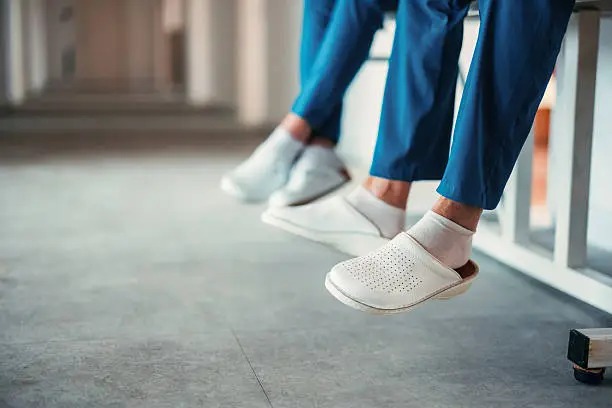
For nurses, while footwear is a part of the uniform, it also serves as a very important tool that we see play out every hour. The right footwear lessens fatigue, reduces strain in muscles and joints, and improves your pace in hallways and aisles. In Australia, health sites see long shifts, so footwear becomes a partner and holds energy through each working period. Comfort, which is in the soles of nurses’ shoes, allows them to focus on patient care and not worry about foot or leg pain, at which point they may be distracted. Many in the hospital workforce report that they do the same as food and hotel workers do, which is the use of their feet for extended periods. Footwear designed for endurance improves nurse performance in every task. Daily performance maintains its strength when free of distraction and pain, which may occur across shift changes. Nurses cover many kilometers in a shift and go between wards, patient rooms, and treatment areas.
The Mental Connection Between Comfort and Mood
Comfort in footwear also goes beyond physical health issues and it’s a large part of mental health as well. Less suffering lifts mood and, in turn, brings out more patience and empathy in every interaction with patients in many cases. In Australia’s hospitals, nurses report high levels of stress, which in turn is relieved by footwear that lessens pressure and which in fact serves as a burnout and poor recovery intervention. No foot level irritation issues, which in turn supports even emotional stability and it supports team and patient trust daily. Mood is connected to our physical sensations and a nurse in a pair of comfortable hospitality shoes begins her shift, which sees her through till closing time. Poor quality shoes cause irritation, low mood, frustration, and also a risk of disengagement from work effort across shifts. Emotional strength is a quality in nursing that we see in the role of footwear for mental health every day. Comfort and support in health facilities of the regions in Australia is a bigger issue and we see staff shortfalls lengthen hours and increase stress.
The Role of Footwear in Reducing Stress and Fatigue
Stress and fatigue are nagging issues in the nursing profession, especially in the high-pressure environment of big city hospitals here in Australia. Footwear’s contribution to alleviating these problems is not something you’d immediately think of, but it’s a vital one nonetheless. Wearing supportive shoes can make a big difference by putting less strain on your joints and muscles, and that reduces the risk of developing chronic pain conditions that just amplify the stress. By taking some of the physical discomfort out of the equation, footwear has a sneaky way of reducing mental fatigue, keeping nurses sharp and alert right through their shifts.
Cultural and Workplace Expectations in Australia
In Australia, nursing uniforms are all about projecting a bit of professionalism, and footwear is very much part of that image. But over the past few years, there’s been a growing recognition that wellbeing matters just as much as how you look. Hospitals and healthcare places are starting to take on board how footwear choices can affect staff morale and retention. When nurses feel that their workplace actually cares about their comfort, they tend to be a lot happier in their jobs. This cultural shift reflects a broader recognition in Australian workplaces that if people aren’t happy, i.e., if they’re feeling unsupported and uncomfortable, they just aren’t going to be at their best. So workplaces are starting to get a bit more flexible about what’s allowed.