





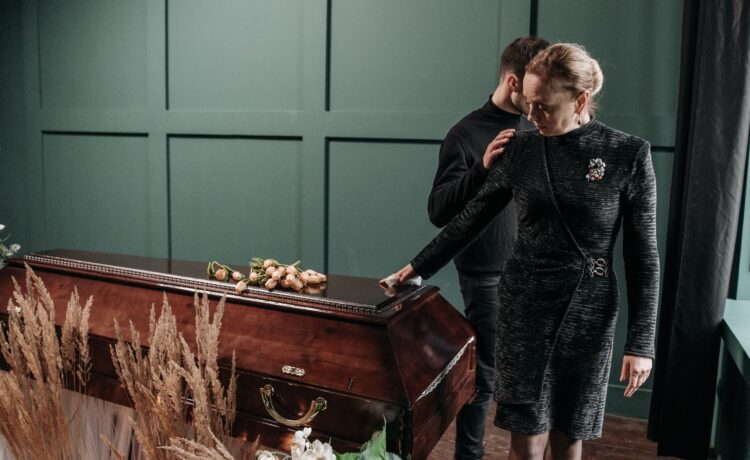
Memorial planning is a deeply personal journey that honors the life of a loved one. It encompasses much more than just logistics; it’s about celebrating memories, reflecting on legacies, and finding peace in grief. For many families, navigating this process can be overwhelming. That’s where funeral professionals come into play. They bring expertise and compassion to help you through every step while ensuring that your loved one’s unique story is beautifully told. Discover how these dedicated individuals can ease the burden during such a challenging time, allowing you to focus on what truly matters—cherishing moments spent together and creating lasting tributes that resonate with love and remembrance.
The Importance of Funeral Professionals in Memorial Planning
Funeral Directors play a crucial role in memorial planning. They are trained to handle the intricate details that can easily overwhelm families during such a difficult time. Their expertise ensures that every aspect is thoughtfully considered.
These professionals offer guidance, support, and knowledge about various options available for honoring loved ones. From selecting appropriate venues to coordinating with musicians or speakers, their assistance streamlines the entire process.
Moreover, they understand cultural and religious customs intimately. This awareness allows them to cater to specific needs and preferences, ensuring meaningful tributes resonate deeply with attendees.
By relying on funeral professionals, families can focus more on celebrating life rather than getting lost in logistics. The compassion they bring helps create an atmosphere of warmth and comfort amidst sorrowful moments.
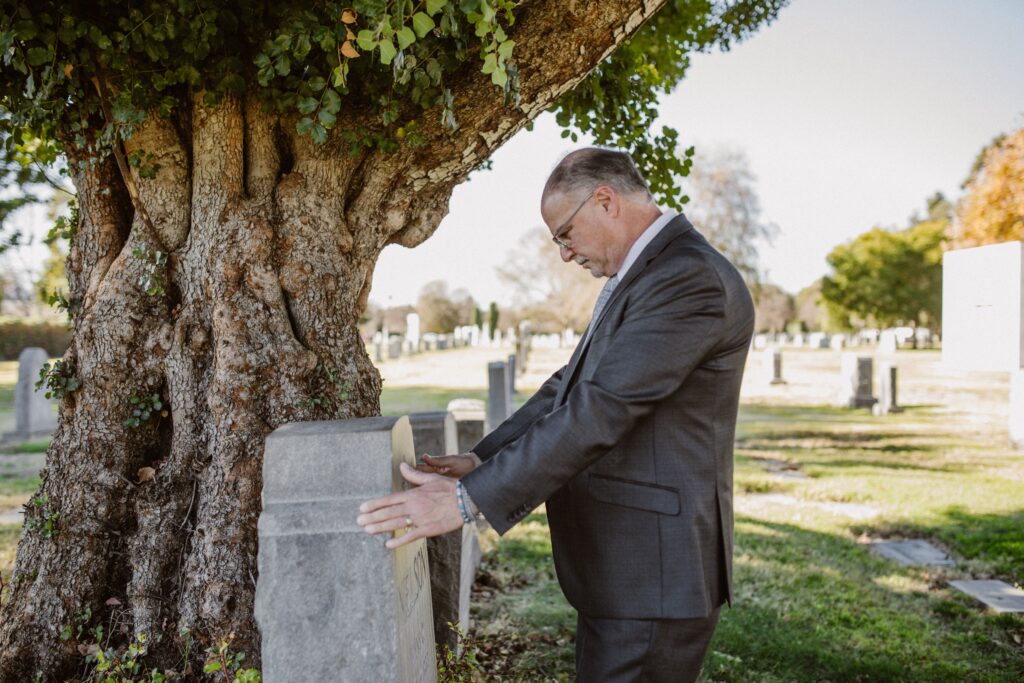
The Process of Memorial Planning with Funeral Professionals
Memorial planning can feel overwhelming, especially in times of grief. Funeral professionals are there to guide families through every step.
It begins with a consultation. During this meeting, funeral directors gather information about the deceased and the family’s wishes. This sets the foundation for a meaningful tribute.
Next comes selecting a location and type of service. Whether it’s an intimate gathering or a larger ceremony, options abound. Professionals help navigate these choices based on personal preferences and budget.
Then there’s attention to detail—choosing flowers, music, and readings that reflect the loved one’s life story. Every element is significant.
Throughout this process, communication is key. Funeral professionals provide support while ensuring every aspect aligns with what families envision for their memorials. Their expertise transforms initial ideas into heartfelt celebrations of life.
Personalization and Customization Options for Memorials
Memorials are a celebration of life, and personalizing them can make all the difference. Funeral professionals offer an array of options to create a tribute that truly reflects the individual’s essence.
From unique headstones to custom urns, families can choose designs that resonate with their loved one’s passions or personality. Some opt for engraved messages or symbols that hold special meaning.
In addition, memorial services can be tailored to honor specific traditions or beliefs. Music playlists featuring favorite songs may evoke cherished memories during ceremonies.
Families might also consider incorporating personal mementos—photos, letters, or even items representing hobbies—that bring comfort and warmth to the gathering. Each detail contributes to a more meaningful farewell.
With guidance from funeral professionals, creating these personalized experiences becomes not just easier but also profoundly impactful for those left behind.
How Funeral Professionals Can Help with Grief and Healing
Navigating the journey of grief can feel overwhelming. Funeral professionals play a vital role in this process, offering support and understanding during some of life’s most challenging moments. They are trained not only to handle logistics but also to provide emotional guidance.
These professionals often serve as compassionate listeners. Whether it’s sharing memories or expressing feelings, they create a safe space for families to open up about their loss. This connection is invaluable; it helps individuals feel less isolated in their pain.
Funeral directors can recommend resources such as support groups or counseling services tailored to specific needs. These options facilitate healing by bringing people together who may share similar experiences.
Moreover, many funeral homes offer aftercare programs that continue beyond the service itself. Regular check-ins and follow-up resources ensure that grieving families receive ongoing support long after the memorial has concluded.
The presence of funeral professionals fosters an environment where healing begins with remembrance and reflection. Their expertise allows families to focus on honoring their loved ones while receiving comfort through shared experiences and professional care during an incredibly taxing time in life.