





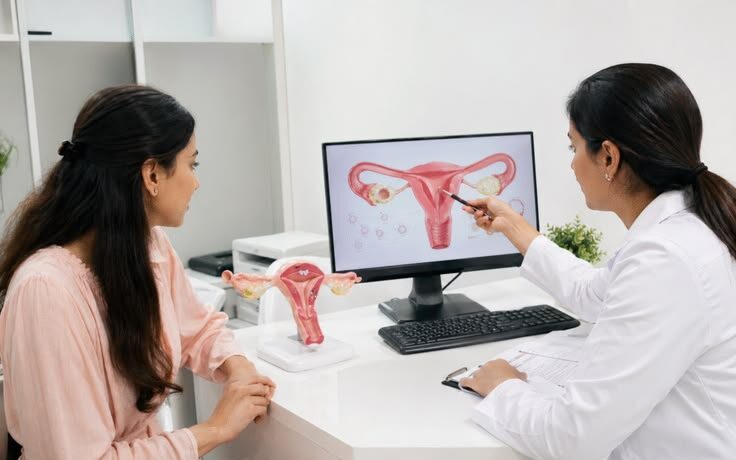
Women’s health is a vital aspect of our overall well being, yet it often takes a backseat in conversations. From young women navigating their first menstrual cycles to those facing the transitions of menopause, there are numerous health concerns that require attention and care. A gynaecologist plays an essential role in addressing these issues, providing not just medical advice but also support and understanding.
Whether you’re dealing with irregular periods or seeking guidance on family planning, your gynaecologist can help demystify the complexities of women’s health. Let’s explore some common concerns and how professional insights can empower you to take control of your health journey.
Menstrual Irregularities and Abnormal Bleeding
Menstrual irregularities can be a source of concern for many women. These variations might include missed periods, overly long cycles, or unexpected heavy bleeding. Such changes can disrupt daily life and cause unnecessary stress.gynaecologist services in melbourne for these issues.
Several factors contribute to these issues. Hormonal imbalances are common culprits, often influenced by conditions like polycystic ovary syndrome (PCOS) or thyroid disorders. Stress and significant lifestyle changes may also play a role.
Identifying the underlying causes is crucial for managing symptoms effectively. A gynaecologist can provide insights through assessments and tests tailored to individual needs.
Treatment options vary widely based on diagnosis. Lifestyle adjustments, hormonal therapies, or medications could help restore regularity in menstrual cycles. Open communication with your healthcare provider about any concerns will lead to more effective solutions tailored just for you.
Birth Control and Family Planning
Navigating the world of birth control can be overwhelming. With various options available, it’s crucial to choose one that suits your lifestyle and health needs.
From hormonal pills to long acting IUDs, each method has its pros and cons. Some women prefer daily tablets for their convenience, while others may opt for an IUD for years of protection without daily reminders.
Family planning goes beyond contraception. It involves understanding your body’s cycles and reproductive health. Tracking ovulation can help in achieving or preventing pregnancy naturally.
Discussing these topics with a gynaecologist provides personalized insight. They can address concerns related to side effects or effectiveness based on individual circumstances.
Empowerment comes from knowledge. Choosing the right birth control is about making informed decisions tailored to your unique situation. Your reproductive health matters prioritize conversations surrounding it with your healthcare provider.
Sexual and Reproductive Health Issues
Sexual and reproductive health issues are vital topics for women of all ages. They encompass a range of concerns, from sexually transmitted infections (STIs) to fertility challenges.
Regular check-ups with a gynaecologist can help identify potential problems early on. Conditions like endometriosis or polycystic ovary syndrome (PCOS) can impact quality of life and require specialized care.
Discussing sexual health openly is crucial. Many women experience anxiety around intimacy or face difficulties in their relationships due to these issues. A professional can provide guidance and resources tailored to individual needs.
Furthermore, family planning conversations play an essential role in reproductive health. Whether considering pregnancy or exploring contraceptive options, finding the right method is key for empowerment and personal choice.
Understanding your body is empowering, allowing you to advocate for your health confidently.
Recommendations for Maintaining Overall Women’s Health
Maintaining overall women’s health is essential for living a fulfilling life. Regular check-ups with your gynaecologist are vital. These visits allow for early detection of potential issues and provide an opportunity to address any concerns.
Incorporating a balanced diet rich in fruits, vegetables, whole grains, and lean proteins can significantly impact wellness. Staying hydrated also plays a crucial role in maintaining optimal body functions.
Regular exercise should be part of every woman’s routine as well. Aim for at least 150 minutes of moderate activity each week. This not only helps manage weight but also boosts mood and energy levels.
Don’t forget about mental health, it’s just as important as physical health. Consider mindfulness practices like yoga or meditation to reduce stress levels effectively.
Educate yourself about your body and its unique needs. Knowledge empowers you to take charge of your health decisions confidently.
By prioritizing these aspects, women can navigate their health journeys more smoothly while fostering long-term well being.