




Navigating the world of gynaecology care can feel overwhelming. With so much information available, it’s easy to lose sight of what matters most: your health and well-being. Gynaecological care is not just about routine exams; it’s a vital part of maintaining overall wellness for women at every stage of life.
Making informed choices in this area can profoundly impact your quality of life. Whether you’re seeking treatment for a specific issue or just establishing a relationship with a healthcare provider, understanding what to look for is crucial. Let’s dive into some key aspects that will empower you to make thoughtful decisions about your gynaecological care journey.
Understanding the Importance of Gynaecology Care
Gynaecology care is essential for women’s health. Consulting the best melbourne gynaecologist can provide women with access to professional care for various aspects of reproductive and sexual well-being, from puberty through menopause and beyond.
Regular check-ups can catch potential issues early. Conditions like fibroids or cervical cancer may not show symptoms until they become serious. Routine screenings can make a difference in outcomes.
Moreover, gynaecologists offer guidance on crucial topics such as contraception, pregnancy planning, and menstrual health. This support helps women make informed choices about their bodies.
Emotional well-being also plays a role in gynaecological care. Open discussions with a trusted practitioner foster an environment where concerns about mental health can be addressed alongside physical issues.
Understanding the importance of this specialty empowers women to prioritize their health needs effectively. It’s not just medical attention; it’s about building relationships that promote lifelong wellness.

Choosing a Gynaecologist: Factors to Consider
Choosing a gynaecologist is a significant decision. Start by considering their qualifications and experience. Look for someone who specializes in your specific needs, whether it’s routine care or more complex issues.
Location matters too. A conveniently located clinic can make appointments easier to manage. Think about office hours as well; flexibility can be essential for busy schedules.
Personal rapport is crucial. You should feel comfortable discussing intimate topics with your gynaecologist. A good practitioner listens actively and respects your concerns without judgment.
Also, consider the clinic environment. Is it welcoming? Are the staff friendly? All these factors contribute to an overall positive experience.
Don’t underestimate recommendations from friends or family members. Personal experiences can guide you toward finding the right match for your health journey. Take time to explore options thoroughly before making a choice that impacts your wellness.
The Role of Communication in Gynaecology Care
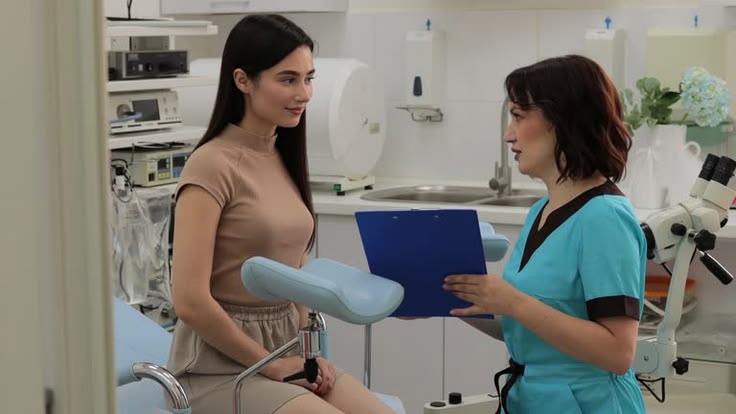
Effective communication is vital in gynaecology care. It fosters a safe space for patients to express their concerns and ask questions. When women feel comfortable, they are more likely to share symptoms that could impact their health.
A good gynaecologist listens actively and provides clear explanations. This helps demystify complex medical terms, allowing patients to make informed decisions about their care.
Non-verbal cues also play a role. Body language can convey empathy and support, making consultations feel less daunting. A warm smile or reassuring gesture can ease anxiety during an appointment.
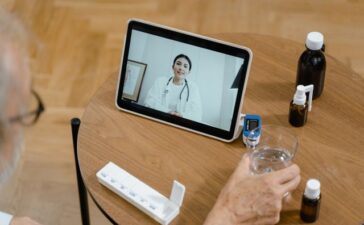
Moreover, ongoing communication isn’t limited to the office visits; it extends through follow-ups. Regular check-ins via phone calls or messages help maintain continuity of care and build trust in the provider-patient relationship.
Patients should never hesitate to voice discomfort with procedures or treatments. Open dialogue empowers individuals in managing their reproductive health effectively.
Alternative Approaches to Gynaecology Care
Alternative approaches to gynaecology care are gaining traction among women seeking holistic health solutions. These methods often emphasize natural remedies and lifestyle adjustments.
Acupuncture is one popular option. Many report relief from menstrual pain and hormonal imbalances through regular sessions. This ancient practice focuses on stimulating specific points in the body, promoting balance and well-being.
Herbal medicine also plays a vital role for some women. Ingredients like chasteberry or turmeric can support reproductive health and alleviate symptoms related to menstruation or menopause.
Mindfulness practices, including yoga and meditation, help manage stress levels that impact overall wellness. Establishing a calming routine can improve both mental clarity and physical comfort during challenging times.
Some women explore nutritional therapy as well. A balanced diet rich in vitamins can enhance hormonal regulation and promote reproductive health naturally. Each of these alternative methods empowers individuals to take charge of their gynaecological well-being in unique ways.
Common Misconceptions about Gynaecology and Women’s Health
There are many misconceptions surrounding gynaecology and women’s health that can create confusion or even fear. One common myth is that you only need to see a gynaecologist when you’re pregnant or trying to conceive. In reality, regular visits for preventive care and screenings are important at any age.
Another misconception is that all women experience the same symptoms during their menstrual cycles, which leads some to ignore their unique experiences. It’s crucial for each woman to understand her body and report any unusual changes, as these could indicate underlying issues.
Many also believe that discussing sexual health with a gynaecologist is taboo. This couldn’t be further from the truth; open communication about sexual wellness is vital for overall health and should happen without embarrassment.
There’s often a belief that surgical intervention is necessary for all reproductive problems. However, many conditions can be managed with lifestyle changes or medication alone.
Understanding these myths helps empower women in making informed choices about their health care options. By dispelling misinformation, we pave the way for better discussions around gynaecology care leading not just to improved individual outcomes but also contributing positively to women’s health on a broader scale.