




The Filter Nobody Remembers: What Really Happens Inside a Boiling and Chilled Water Tap Between Changes?

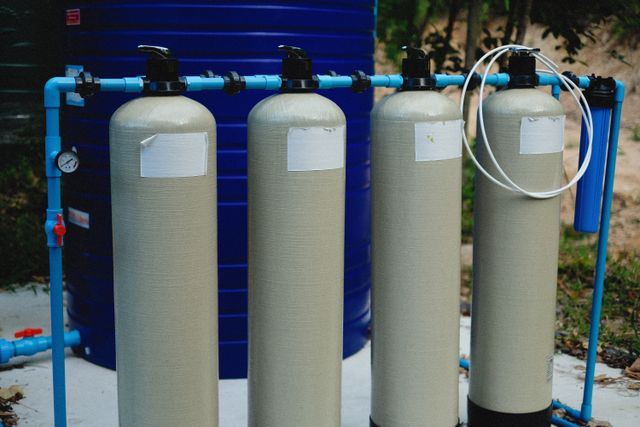
2Views
Sydney Water provides clean drinking water for a population of 5.6 million in Greater Sydney and the Illawarra region. As per the Annual Report 2024-25 of Sydney Water, compliance was achieved in 100% of their water treatment plants when assessed according to the Australian Drinking Water Guidelines. The treated water at their plants, without doubt, is of very high quality. But why does a Zip filter change in Sydney matter in office, school and home?
Perfect at the Treatment Plant, Different at the Tap
The water leaving the treatment plant is always excellent. From there, it has to cover quite a few kilometres in mains, risers, tanks, and at times decades-old connections, before reaching the tap in the kitchen.
It is in older commercial premises that a difference occurs, and where a regular Zip filter change Sydney service matters most. Old pipes contribute additional fine sediment, a metallic taste or a slight chlorine odour in the water, even though they do not affect the safety of the water. Point-of-use filters take care of this last stage and not the water quality supplied by the water utility company.
What a Filter Removes Is Dependent on Its Rating?
Not all filters are alike. And not all work the same way depending on design and certification. Many filters that are used in boiling and chilled water taps are rated to remove the following common issues from water:
Only looking up the certification of a product gives a clear idea of the above-mentioned issues that a specific filter can take care of. Fluoride is an exception as it gets fully dissolved in water. Carbon filters and fine particle filters generally don’t remove it, but some of the filtration systems, including the reverse osmosis units, do reduce it.
Carbon filters work like a sponge with numerous microscopic cavities. Each litre of water adds more to it till the sponge runs out of space. After that, the efficiency of the filter declines gradually without any visible sign.
Watch for These Warning Signs Before Trouble Arrives
Most systems start letting you know when they’re due for a service, but people usually ignore the signs for weeks. The common clues are usually pretty obvious:
But an overdue filter not only affects taste and performance; it can also become a bit of a hygiene nightmare. All that trapped organic matter makes a perfect home for bacteria, especially in systems that don’t get used very often. The good news is that regular changes keep the risk low.
Usage matters way more than just the amount of time that’s passed. A busy office kitchen serving 80 staff will go through a filter a lot faster than a quiet family home. Manufacturers usually set change intervals based on how much the system gets used as well as time.
The Shared Kitchen Conundrum
Shared buildings can create a bit of a mess. Tenants think the landlord is in charge of getting the system serviced, while facility managers think the tenants are responsible. The problem is the filter just sits there, untouched and well past its best.
A simple service log resolves most of that confusion. Just jot down the installation date, the type of filter you’re using, the last time it was changed and whose job it was to do it. That takes all of two minutes. Add a calendar reminder for the next change and you’re done.
Schools, universities and hospitals deserve extra attention, though. They get used really, really hard, and that shortens the life of the filter. And let’s face it, kids, patients and older visitors often drink from those taps. It makes much more sense to change the filter on a regular schedule rather than waiting for people to start complaining.

The Sharper the Tap, the More Checking to Do
Filters are just one part of a bigger maintenance picture. Sparkling water systems rely on CO2 cylinders, and they tend to run out at the worst possible moment. Keeping a spare on hand spares you the frustration of flat water and disgruntled staff.
Air-cooled chillers, on the other hand, need a bit of space to breathe. Dust settles on the vents and cooling fins, especially if they’re stuck inside cramped cabinets. That slows them down over time. A quick clean while you’re changing the filter helps the chiller keep working properly.
Boiling units need a check for scale, which builds up on the heating parts over time. Sydney’s water is pretty soft, so it tends to form slowly, but a service visit is a good time to take a look.
Eventually, repairs just don’t make financial sense any more. An older unit with repeated faults will probably cost more in callouts than a newer replacement. Comparing energy ratings between the old and new models helps you make that call with your eyes open.
Try opening the cabinet under the tap right now and see when the last filter was changed. If nobody can find that info, the next service is probably already overdue.
Tags:KS