





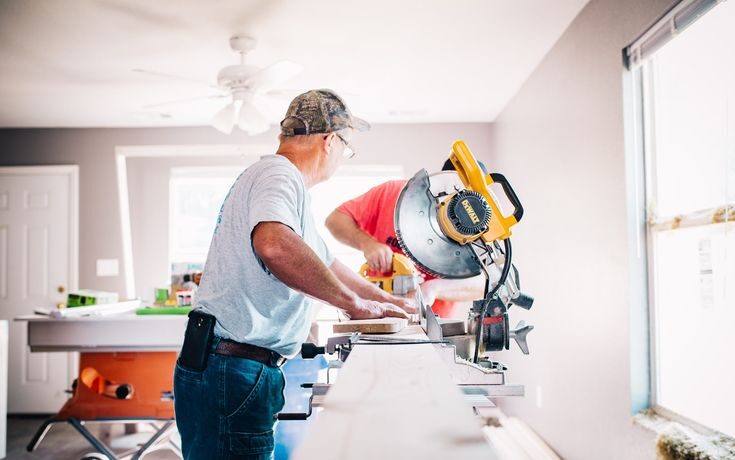
Building your dream home is an exciting journey. From envisioning a cozy living space to watching the walls go up, each step brings you closer to that perfect abode. But what does this process really entail? Understanding how home construction unfolds can make all the difference in ensuring everything runs smoothly.
Whether you’re a first-time homeowner or someone looking to dive deeper into the world of construction, knowing the steps involved will empower you. Each phase plays a vital role and sets the stage for what’s to come. Let’s take a closer look at each part of this fascinating process and get ready for some inspiring insights!
Planning and Design Phase
The home building construction stages and design phase is where dreams begin to take shape. It’s a critical time that sets the stage for everything to follow.
First, homeowners should gather ideas. Inspiration can come from magazines, websites, or even friends’ homes. Create a vision board filled with colors, textures, and layouts that speak to you.
Next comes the blueprint. Collaborating with an architect or designer will help translate your vision into technical drawings. This step ensures functionality meets aesthetics.
Consider budget constraints during this phase too. Knowing how much you’re willing to spend helps streamline decisions later on.
Don’t forget local regulations and zoning laws. Understanding these guidelines early can save headaches down the road as you move closer to breaking ground on your new home.
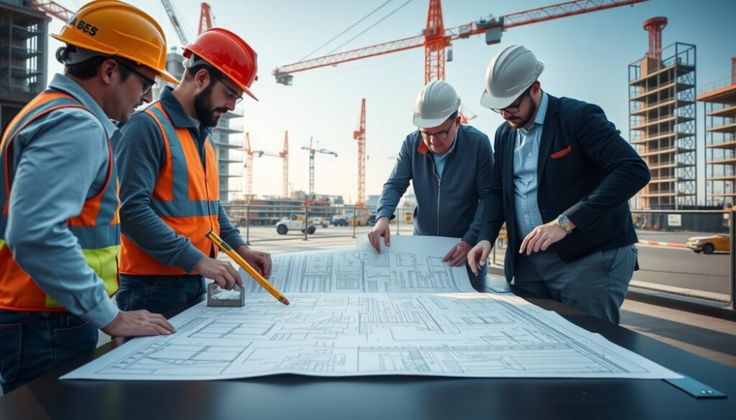
Pre-Construction Phase
The pre-construction phase is a crucial part of the home building journey. Here, plans and designs are solidified. It’s where ideas turn into actionable steps.
This stage often starts with obtaining necessary permits. These documents ensure that your project complies with local regulations. Without them, delays could occur later on.
Next comes budgeting and selecting contractors. This process involves gathering estimates and choosing professionals who align with your vision. Finding the right team can make all the difference in executing your design effectively.
During this time, detailed timelines are established as well. Knowing when each phase will begin helps keep everyone organized and accountable.
Site preparation also occurs before any physical work begins. Clearing land, marking boundaries, and ensuring access for machinery sets the stage for what’s to come next in construction.
Foundation and Framing
The foundation is the backbone of your home. It carries the weight and ensures stability. Depending on your design, you may choose a slab, crawl space, or basement foundation. Each type has its own advantages.
Once the foundation is set, framing begins. This stage turns blueprints into reality. Builders use wood or steel to create walls and roof structures that define your living spaces.
Framing requires precision and skill. Every beam must align perfectly to support future construction phases. Inspectors often check for compliance with building codes during this process.
Windows and doors are framed in at this stage too, allowing natural light into your emerging home. The outline starts to resemble a livable structure as rooms take shape.
With framing complete, it’s time to move on to utilities installation—another exciting part of turning plans into a real home environment.
Installation of Utilities
After the foundation and framing are complete, it’s time to focus on the installation of utilities. This phase is crucial for ensuring that your home will be comfortable and functional.
First up is plumbing. Pipes are laid out according to the plans you’ve approved, connecting everything from sinks to toilets. It’s essential that this system is precise because any mistakes can lead to costly repairs later on.
Next comes electrical wiring. Electricians install wires throughout the house, setting up outlets, switches, and lighting fixtures. Safety standards must be followed closely during this process to prevent future hazards.
Heating, ventilation, and air conditioning (HVAC) systems also fall under utility installations. These components keep your home at a comfortable temperature year-round. Proper placement and sizing are key for efficiency in energy use.
Don’t forget about internet and cable lines! In today’s digital age, connectivity has become just as important as basic utilities like water or electricity.
With all these systems in place, you’re one step closer to making your new house feel like a home!