





Imagine stepping into your outdoor space, where beauty meets functionality. Sunlight dances on well-placed furniture, flowers bloom in lush gardens, and laughter fills the air. Yet beneath this serene surface lies an essential aspect that often gets overlooked—safety. Outdoor living spaces should be a sanctuary for relaxation and enjoyment, but they can also present hidden dangers. Balancing aesthetics with safety is crucial to creating an inviting environment for everyone who steps outside.
In today’s blog post, we’ll explore how to enhance your outdoor living areas while prioritizing safety. From understanding common hazards to implementing practical design tips, let’s dive into how you can create a beautiful yet secure haven right in your backyard!
The Importance of Safety in Outdoor Living Spaces
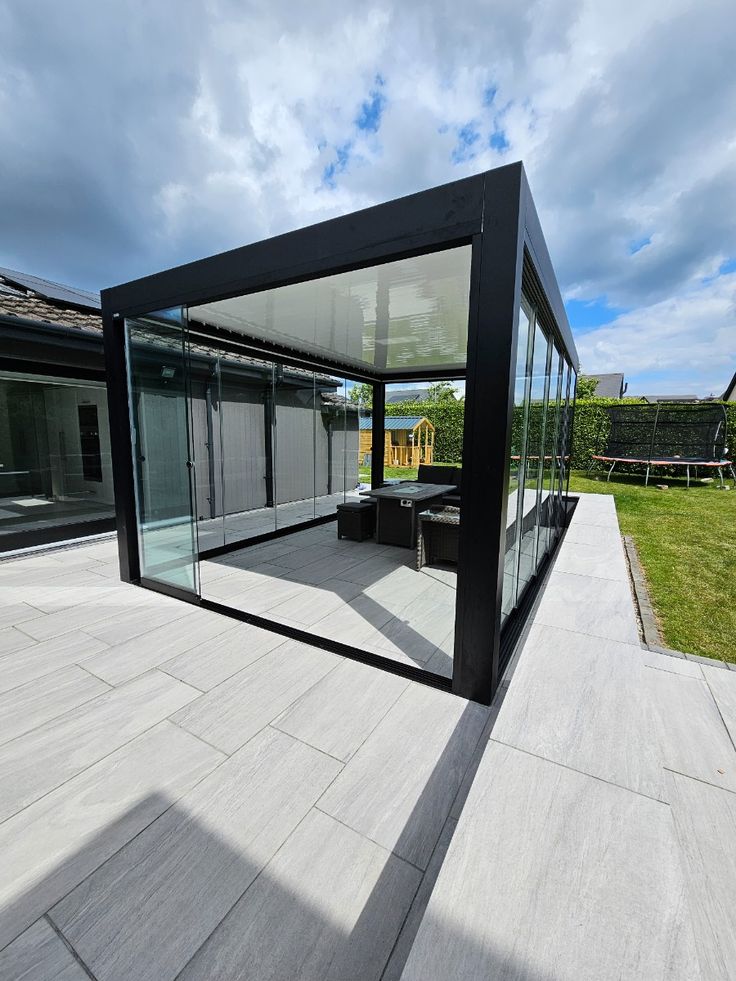
When it comes to outdoor living spaces, safety should be a top priority. These areas are meant for relaxation and leisure, yet they can also pose risks if not properly designed. Precision Glass Fencing provides stylish and secure solutions to ensure your outdoor spaces remain both safe and visually appealing.
Consider the variety of activities that take place outside—barbecues, family gatherings, or simply lounging in the sun. Each moment carries potential hazards. Slips on wet surfaces or accidents with sharp tools can quickly turn enjoyment into injury.
Creating a safe environment enhances peace of mind. It allows you and your loved ones to fully engage without constant worry about hidden dangers lurking nearby. With thoughtful planning and design choices, you can ensure everyone enjoys their time outdoors while minimizing risk.
A well-designed space isn’t just visually appealing; it fosters an atmosphere where fun thrives safely. Prioritizing safety transforms outdoor areas into true extensions of our homes—a seamless blend of beauty and security that invites all to enjoy life outside.
Common Hazards in Outdoor Spaces
Outdoor spaces offer relaxation and joy, but they can also harbor hazards. Uneven surfaces pose a risk for trips and falls. Loose stones or broken pavers can surprise unsuspecting feet.
Water features add charm, yet they bring danger too. Slippery decks near pools or ponds require caution to avoid slips. Drowning risks are ever-present, especially with small children nearby.
Sharp edges on furniture or railings can lead to accidents during lively gatherings. It’s essential to inspect your furniture regularly for wear and tear that could lead to injury.
Natural elements should not be overlooked either. Overhanging branches may drop debris unexpectedly or even cause injury in high winds. Unruly vines might create tripping hazards as well.
Pests like bees and mosquitoes thrive in outdoor settings. They can turn a peaceful afternoon into an uncomfortable experience if precautions aren’t taken seriously.
Designing for Safety: Tips and Considerations
When designing an outdoor living space, safety should be a top priority. Start by choosing non-slip materials for walkways and decks. These surfaces minimize the risk of accidents, especially when wet.
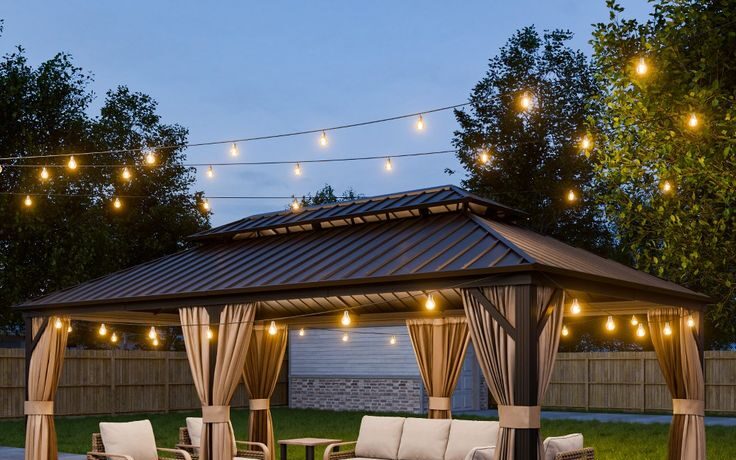
Consider lighting as well. Well-lit areas deter accidents and enhance security during twilight hours. Pathway lights or string lights can create a cozy atmosphere while keeping your space safe.
Incorporate barriers where necessary. Railings around steps or elevated platforms can prevent falls, particularly for young children or older adults.
Also, think about weather elements like wind and rain. Use sturdy furniture that won’t easily topple over and provide adequate shelter from unpredictable weather conditions.
Keep pathways clear of obstacles to ensure easy navigation through the area. A clutter-free environment promotes not only safety but also relaxation in your outdoor oasis.
Incorporating Safety Features Into Your Design
When designing outdoor spaces, safety features should blend seamlessly with aesthetics. Start by choosing materials that offer both durability and slip-resistance. Textured pavers can enhance grip while adding visual interest.
Consider lighting carefully. Well-placed LED fixtures not only illuminate pathways but also highlight potential hazards. Soft ambient lighting creates a welcoming atmosphere without compromising visibility.
Fencing is another essential element. Opt for designs that look inviting yet clearly define boundaries. This will keep pets safe and children out of harm’s way.
Incorporating fire pits or fireplaces? Ensure they have protective screens to minimize risks. Surround these features with non-combustible surfaces to prevent accidents.
Think about weather elements like rain and snow. Drainage solutions can help avoid slippery conditions, making your outdoor retreat both beautiful and secure throughout the year.
Creating a Safe Environment for Children and Pets
Creating a safe environment for children and pets is essential when designing outdoor living spaces. These areas should be enjoyable for the entire family, but safety must come first.
Start by assessing potential dangers. Sharp corners on furniture can pose risks to curious toddlers or energetic dogs. Opting for rounded edges helps reduce injury chances while still maintaining style.
Fencing plays a critical role in safeguarding kids and pets from wandering off or encountering hazards like pools or busy roads. Choose sturdy materials that complement your design aesthetics, ensuring they are tall enough to keep adventurous little climbers at bay.
When selecting plants, prioritize non-toxic options. Many common garden plants can be harmful if ingested by children or pets. Research before planting to ensure your garden contributes positively to everyone’s well-being.
Soft surfaces also matter in play areas—think about installing rubber mulch or foam tiles under swings and climbing structures. This padding provides cushioning against falls without compromising on visual appeal.
Consider creating designated zones for play versus relaxation within your outdoor space. This separation keeps active youngsters engaged while allowing adults some peaceful downtime nearby.
With thoughtful planning, you can create an inviting outdoor oasis where everyone feels secure and free to enjoy their surroundings fully.