





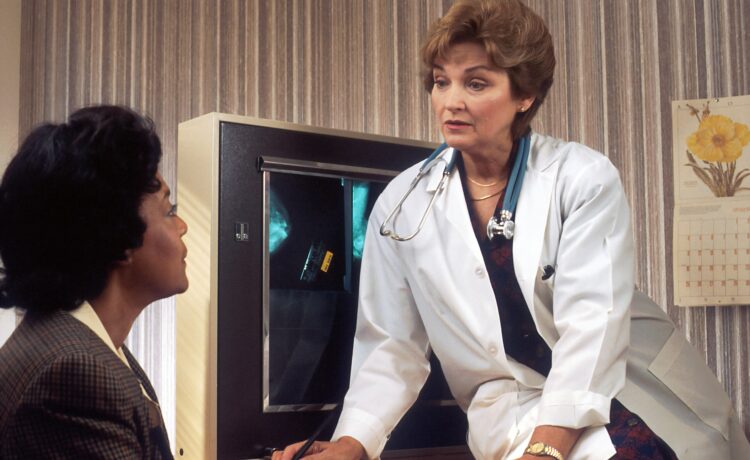
Women’s healthcare has come a long way, but the journey is far from over. For centuries, women have navigated a complex landscape of health issues that are uniquely their own. From reproductive health to mental well-being, the needs of women require specialized attention and understanding.
Today, we find ourselves at an exciting crossroads where traditional methods meet innovation. With advancements in medical science and a growing recognition of holistic approaches, women’s healthcare is evolving faster than ever before. This blog will explore how modern strategies are reshaping the way we think about and approach women’s health—offering insights into both integrative medicine and holistic care tailored specifically for women.
Let’s dive into this transformative world where empowerment meets wellness!
Traditional Approaches to Women’s Healthcare
expert obstetrician and gynecologist care for pregnancy and women’s health in melbourne.Traditional approaches to women’s healthcare have long been rooted in established medical practices. These methods often focus on specific reproductive health issues, such as menstruation, pregnancy, and menopause. The doctor-patient relationship typically follows a top-down model where physicians dictate treatment plans.
Regular check-ups like Pap smears and mammograms are staples of traditional care. These screenings aim to catch potential health issues early. While they play a crucial role in prevention, they don’t always address the broader aspects of well-being.
Moreover, conventional medicine tends to prioritize pharmaceutical solutions for symptoms rather than exploring underlying causes. This can lead to a one-size-fits-all approach that may not meet every woman’s unique needs.
Despite their effectiveness in certain areas, traditional models sometimes overlook emotional and social factors impacting women’s health. There’s an increasing awareness that these elements deserve attention alongside physical ailments for comprehensive care.
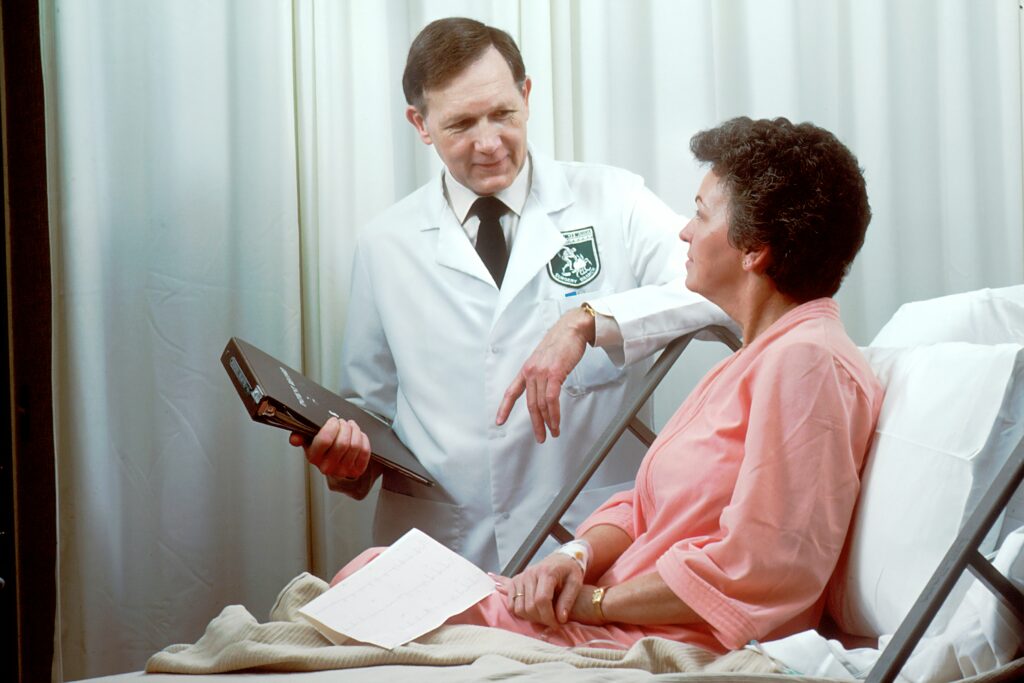
Modern Approaches to Women’s Healthcare
Modern approaches to women’s healthcare have shifted significantly in recent years. There is a growing emphasis on personalized care, recognizing that every woman’s health needs are unique.
Telehealth options are becoming increasingly popular. They offer convenience and accessibility, making it easier for women to connect with providers from the comfort of home. This method allows for timely consultations and follow-ups without the hassle of travel.
Additionally, technology plays a vital role in modern treatment strategies. Wearable devices help track menstrual cycles, fertility signs, and overall wellbeing. Data-driven insights empower women to make informed decisions about their health.
Integrative medicine is gaining traction too. This approach combines conventional treatments with alternative therapies like acupuncture and yoga, focusing not just on physical ailments but emotional balance as well.
The focus now extends beyond reproductive health into areas such as mental wellness and preventive care, creating a more comprehensive view of what women’s healthcare should encompass.
Integrative Medicine for Women
Integrative medicine for women combines traditional and alternative therapies. This approach recognizes that health is influenced by physical, emotional, and environmental factors.
Practitioners often focus on the whole person rather than just specific symptoms. They incorporate methods like acupuncture, yoga, and nutritional counseling alongside conventional treatments.
Women can benefit from this holistic perspective in various stages of life. Whether managing menstrual issues or navigating menopause, integrative practices provide personalized care options.
The collaborative nature of integrative medicine fosters a supportive environment. Women feel empowered to take charge of their healthcare decisions.
By addressing both mind and body, this approach can lead to improved well-being. Many find relief from chronic conditions through tailored treatment plans that resonate with their unique experiences.
Holistic Care for Women
Holistic care for women focuses on the entire individual, not just specific symptoms or conditions. It recognizes that physical health is interconnected with emotional and mental well-being. This approach takes into account lifestyle factors, environment, and relationships.
Practitioners of holistic care often utilize a blend of traditional and alternative therapies. They may recommend mindfulness practices like meditation or yoga to help manage stress. Nutrition also plays a vital role; dieticians might create tailored meal plans to support overall health.
This comprehensive perspective encourages women to become active participants in their healthcare journey. By fostering self-awareness, they can better understand their bodies’ needs and respond accordingly.
The emphasis on preventive care is another hallmark of holistic practices. Regular check-ups are essential but so are proactive measures like exercise and healthy eating habits.
This integrative approach empowers women to embrace a healthier lifestyle while addressing their unique challenges holistically, leading them toward improved quality of life.