




When it comes to saying goodbye, everyone has unique preferences and needs. Funerals are deeply personal events that reflect our values, beliefs, and traditions. The options available today can be as diverse as the lives we celebrate. From traditional ceremonies to innovative alternatives, understanding your choices is crucial in creating a meaningful farewell.
As society evolves, so do our views on how we honor those who have passed away. Whether you’re navigating this journey for yourself or supporting a loved one, knowing the various funeral options can help ease some of the burden during an emotionally challenging time. Let’s explore these specialized services designed to cater to different needs and preferences while ensuring every tribute is heartfelt and memorable.
Traditional Burial Services and their Components
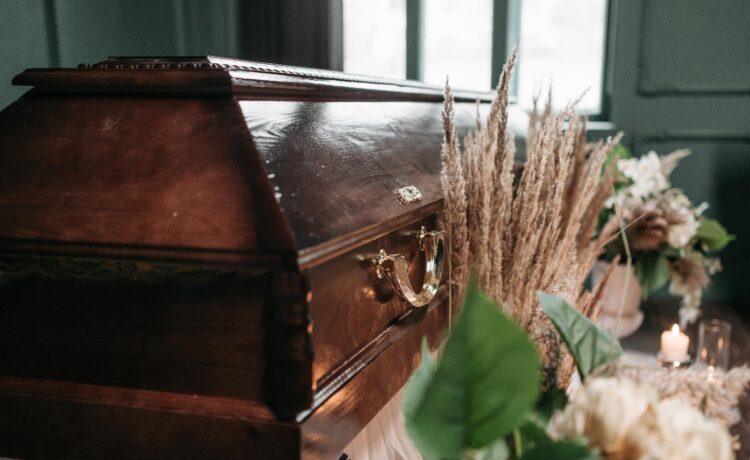
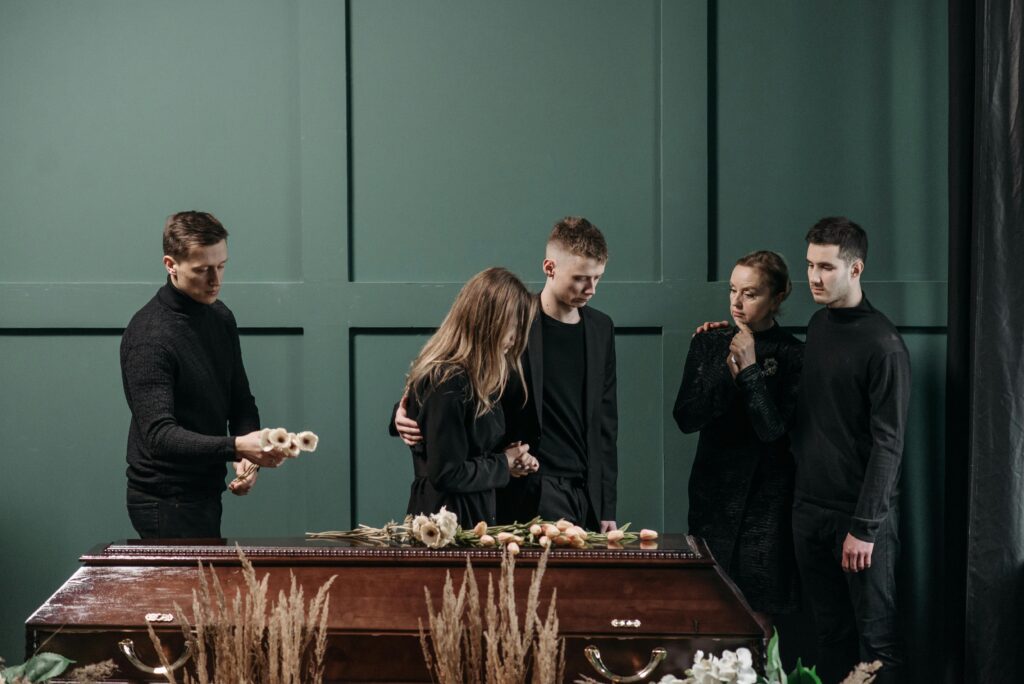
Traditional burial services embody solemnity and ritual, providing a structured way to honor the deceased. They typically begin with a visitation or wake, allowing family and friends to pay their respects before the funeral.
The heart of a multicultural funeral services in melbourne often takes place in a church or funeral home. Here, eulogies are delivered, prayers recited, and meaningful music played. Each element contributes to creating an atmosphere that reflects love and remembrance.
Following the service, the procession leads to the cemetery for interment. Graveside rituals can include additional readings or moments of silence. The final act involves placing the casket into its resting place while family members may scatter flowers or soil as a gesture of farewell.
These components together weave a tapestry of grief and celebration, offering comfort during one of life’s most challenging times.
Cremation and its Different Methods
Cremation is becoming an increasingly popular choice for many families. It offers a simple and efficient way to handle remains. The process involves intense heat, which reduces the body to ashes.
There are various methods of cremation available today. Traditional flame-based cremation uses high temperatures in a specially designed chamber. This method is widely recognized and used across different cultures.
Then there’s water cremation, also known as alkaline hydrolysis. This technique uses a combination of water and chemicals to break down the body gently. It’s considered more environmentally friendly than traditional methods.
Resomation, another innovative approach, employs heated water at high pressure. It’s seen as a sustainable option that minimizes carbon emissions during the process.
Each method comes with its own set of benefits and considerations, allowing families to choose what resonates best with their values and preferences.
Alternative Funeral Services: Green Burials, Home Funerals, and Virtual Funerals
Alternative funeral services are gaining popularity as people seek more personalized and eco-friendly options. Green burials, for instance, focus on sustainability. They use biodegradable materials and avoid harmful chemicals, allowing the body to decompose naturally. This approach not only honors the earth but also often decreases costs associated with traditional burial.
Home funerals offer another unique choice. Families can care for their loved ones at home after death, creating a comforting atmosphere away from formal settings. This intimate experience allows family members to participate in the process of saying goodbye in a personal way.
Virtual funerals have emerged as a modern solution during challenging times like pandemics or distance barriers. These online ceremonies allow friends and family from around the world to gather virtually, share memories, and support one another without geographical limitations. Each option provides distinct ways to honor life while reflecting individual values and circumstances.
Specialised Funeral Options for Different Cultures and Religions
Funerals can be deeply personal, reflecting the traditions and beliefs of different cultures and religions. Understanding these specialised options is crucial for honoring a loved one’s legacy.
Many cultures incorporate unique rituals into their funeral practices. For instance, in Hinduism, cremation is often preferred to facilitate the soul’s journey to its next life. This practice emphasizes the importance of fire as a purifying element.
Conversely, Jewish funerals adhere to a tradition known as “Tahara,” which involves washing and preparing the body. The emphasis on simplicity and respect highlights deep cultural values surrounding death.
Muslim communities also have specific rites that must be followed. Burial typically occurs soon after death, with an emphasis on returning the body to earth quickly while adhering to Islamic principles throughout the process.
Other cultures may embrace memorial services or celebrations of life that reflect joyous remembrance rather than mourning alone. These gatherings often include storytelling and sharing memories that celebrate the individual’s impact on family and community.
Understanding these diverse needs not only fosters compassion but also helps families make informed decisions during challenging times. Each culture carries its own rituals — rich with meaning — ensuring that every farewell pays tribute uniquely fitting for those we cherish most dearly.