





At the heart of the ketogenic diet lies consumption of very low quantities of carbohydrates usually 20 to 50 grams daily of ‘net carbohydrates’ which are those found in carbohydrates that aren’t burnt up for energy by human beings. The goals of the technique are to bring the body into a physiological state of ketosis, which is a state where it is primarily freed to take the energy from fat instead of glucose. Food decisions are thus carefully considered, especially with snack foods, and they may contain hidden sugars and formulas loaded with refined carbohydrates. On average, snack foods like potato chips, muesli bars and flavoured crackers are 15 to 35 grams of carbohydrate for each serving in Australia. In light of this, biltong has been the subject of much interest amongst the keto community which is concentrated very much on a low-carbohydrate diet and high protein intake. This matches in close harmony the macronutrient level wanted by lots of people with a low-carb weight loss strategy.
What Is the Reason for Biltong to Fit into The Keto Lifestyle?
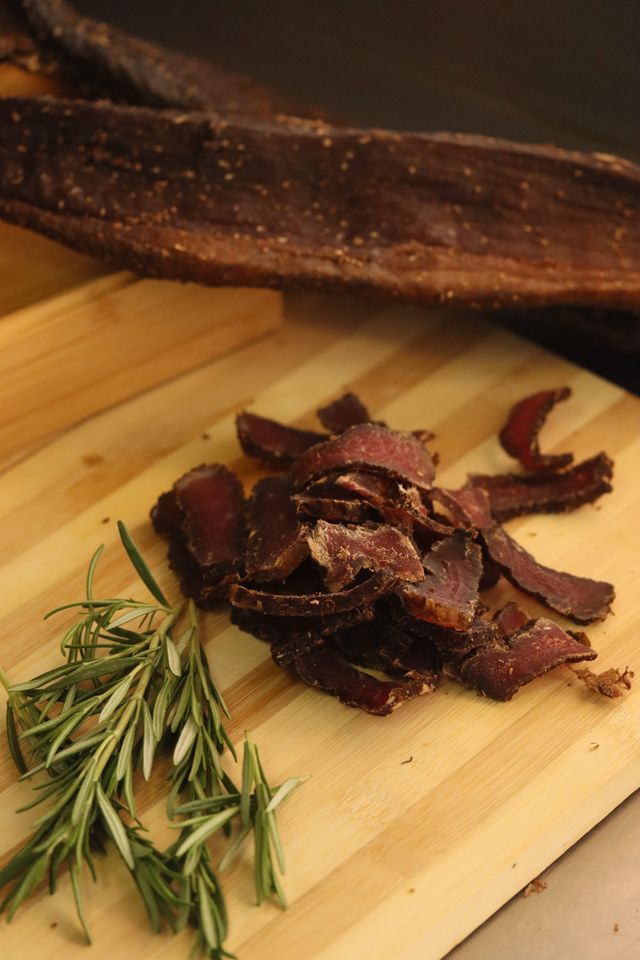
Then there are the traditional biltongs, traditionally made with beef, vinegar, salt and spices and air dried. Many brands of jerky that are sold commercially do not use added sugars, while the Small Batch Jerky does. Beef biltong is high in protein, low in carbs and low in calories; one serving (28 g) provides around 16 g of protein, 1 g of carbohydrates and is 80 calories. This is quite within the limits of the majority of ketogenic diets in terms of carbohydrate intake. Australian products are nutritionally similar. Biltong made locally can contain approximately 20.1g of protein per 30g serving but only 1.2g of carbohydrate per serving. Many flavours, including chilli biltong, can still be consumed by keto dieters as the flavours are often found to be under 2g of carbohydrates per serving, provided you’re mindful and check the ingredients. One of the main dietary benefits of biltong is that there isn’t too much sugar involved.
Protein Density Compared with Other Popular Snacks
The advantage of biltong is that it is extremely rich in protein and low in carbohydrates. Research into commercially produced biltongs has shown that some can have an even higher protein content, over 67 grams per 100 grams and still have less than 4 grams of carbohydrate. This nutrition is well more than most customary snack foods. A regular 100-gram portion of potato chips has about 50 grams of carbs and 6 grams of protein. Fitness Blasted bars commonly have between 10-20 grams of carbs per serve, which includes additional sweeteners produced. Other Australian biltong varieties, however, boast over 25g of protein and less than 1g of carbs per serving. This nutritional value is part of the reason that keto dieters prefer to snack on biltong between meals.
Sugar Problem: Biltong Versus Normal Jerky
The biltong’s important distinguishing feature is the difference between it and many commercially prepared beef jerky products. Sugars, honeys, corn syrup or sweet marinades are often added to traditional jerky recipes in terms of flavouring and preserving. This makes some varieties of jerky high in sugar with serving sizes of more than 5 grams. Typically these ingredients are avoided in biltong. Independent comparative nutritional analysis has shown that some biltong products provide less than 1g of carbohydrate per serving, when compared with similar jerky products that provide more than 6g per serving. Though both products are made from dried meat, biltong is better than the other for those trying to stay in a state of ketosis due to the lower sugar content. It should be noted however, that not all biltong products are inherently considered to be keto-friendly consumers should not take it at face value that all are. Sometimes modern flavoured varieties have even sweeteners, sauces, or carbohydrate-containing seasonings. Food labels still are the most dependable source of information.
The Nutritional Value of Low-Carb Foods
Biltong isn’t just about using carbohydrates sparingly. Beef-based biltong is a good source of those micronutrients that are relevant to the Ketogenic Diet. About 35% of the recommended daily iron value can be gained from a 28g serving. It also includes vitamin B12, niacin, zinc, magnesium and potassium. Some of these nutrients are especially important as some people may not be getting enough of certain vitamins and minerals when they start the keto diet. Iron is needed for the transport of oxygen in the body; Vitamin B12 are required for energy metabolism and neurological function. These nutrients are at a higher concentration in the small bites of biltong, making it a more convenient nutritious snack.
Potential Drawbacks Keto Followers Should Consider
Though biltong is nutritious, it has some shortcomings. Sodium content is the most important many tend to be worried about. There are over 600 milligrams of sodium in over 2000 milligrams per 100 grams in some Australian products in a 30-Gram serving size. Consuming regularly can make a significant contribution to a daily sodium requirement. One other factor is that biltong is still a processed meat product. Several Verbindungen of high intake of processed and/or cured meats have been associated with some long-term health risks. Although moderate intake of biltong should not be a major concern for most healthy adults, it should provide a complement to a well-balanced eating plan that includes more of the fresh vegetables, healthy fats, seafood, eggs and less processed sources of protein.
Tags:KS