





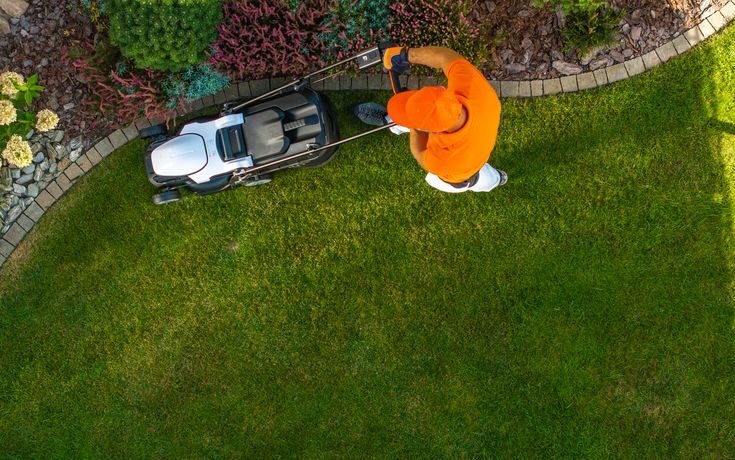

A lush green lawn is often seen as a symbol of pride and tranquility. It’s where families gather, children play, and neighbors connect. But achieving that perfect lawn can feel like an uphill battle. Traditional lawn care practices involve constant mowing, watering, and chemical treatments that not only take time but also strain our environment.
As climate change continues to challenge conventional gardening methods, it’s essential to rethink how we approach landscaping. The good news is that there are greener alternatives available that promise beauty without the high maintenance demands. Let’s explore these low-maintenance solutions that can transform your yard into an eco-friendly oasis while freeing up your weekends for more enjoyable pursuits.
The problem with traditional lawn care methods
Traditional lawn care often relies on synthetic fertilizers and pesticides. These chemicals can harm the environment and disrupt local ecosystems, which is why many homeowners are turning to artificial grass as a cleaner alternative.
Frequent watering is another concern. Many homeowners spend hours each week maintaining lush green lawns, leading to excessive water use. This not only strains resources but also increases utility bills.
Mowing practices contribute to the issue as well. Regular mowing requires energy, whether from gas-powered mowers or electric models that increase your carbon footprint.
Moreover, monoculture lawns lack biodiversity. This uniformity makes them more vulnerable to pests and diseases, prompting even more chemical interventions.
As we strive for sustainability, it’s clear that conventional methods may be counterproductive in preserving our planet’s health and beauty. Adopting greener alternatives could be the key to a thriving landscape without compromising environmental integrity.
Benefits of low-maintenance green solutions
Low-maintenance green solutions come with a host of advantages that appeal to both the environment and homeowners. One major benefit is water conservation. These options typically require less irrigation, making them ideal for areas prone to drought.
Another perk is reduced chemical usage. Traditional lawns often rely on pesticides and fertilizers, which can be harmful. Low-maintenance alternatives minimize or eliminate the need for these chemicals, promoting healthier soil and ecosystems.
Time savings also play a significant role. With fewer mowing sessions and less upkeep required, you can reclaim your weekends for more enjoyable activities—perhaps gardening or spending time with family.
These solutions contribute to biodiversity by attracting local wildlife such as bees and butterflies. A vibrant lawn not only enhances curb appeal but creates an inviting habitat in your backyard.
Types of low-maintenance green solutions (drought-resistant grass, native plants, artificial turf)
Drought-resistant grass is an excellent choice for homeowners looking to conserve water while maintaining a lush appearance. Varieties like Bermuda and fescue thrive in dry conditions, requiring less irrigation than traditional grasses. They adapt well to varying climates and can withstand heat without wilting.
Native plants are another fantastic option for low-maintenance landscaping. These species naturally flourish in your region’s environment. By incorporating them into your garden, you’ll create a habitat that supports local wildlife while reducing the need for chemical fertilizers and pesticides.
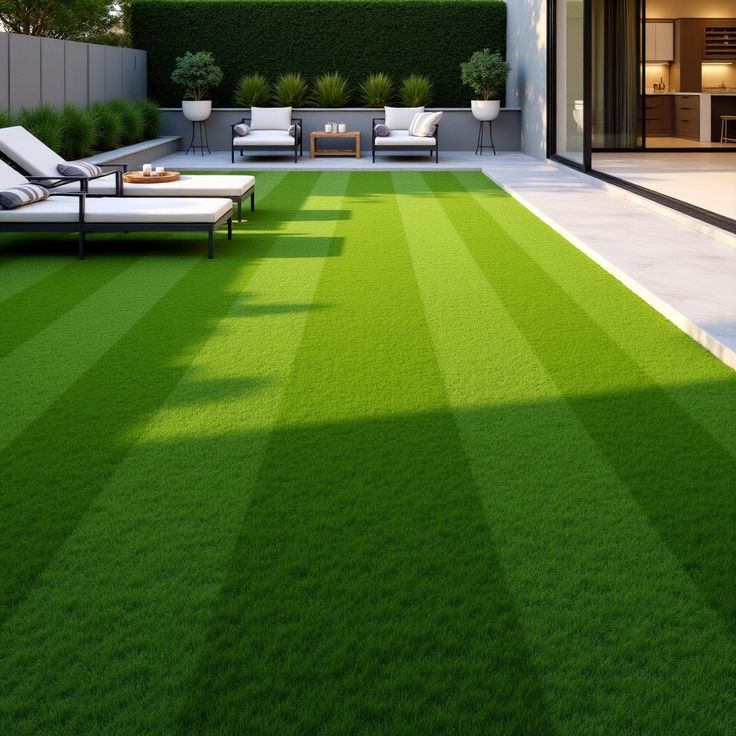
Artificial turf has gained popularity as a practical alternative to natural grass. It offers the aesthetic appeal of a vibrant lawn with minimal upkeep required. No mowing or watering means more time enjoying your outdoor space rather than working on it, making it ideal for busy lifestyles or those seeking an eco-friendly option.
Maintenance tips for a sustainable and thriving lawn
To achieve a sustainable and thriving lawn, regular maintenance is essential. Start by assessing your soil health. Conducting a simple soil test can guide you in choosing the right amendments to improve nutrient content.
Water wisely; early mornings are the best time for irrigation. This allows moisture to soak into the ground before evaporation occurs. If you’re using drought-resistant grass or native plants, they typically require less water than traditional lawns, making this step even simpler.
Mowing at the correct height is also important. Taller grass promotes deeper root growth while providing shade to prevent weeds from sprouting. Set your mower blades high—around three inches—to keep your lawn healthy without excessive stress on its resources.
Mulching clippings can return nutrients back into your lawn naturally. Instead of bagging them after mowing, let those clippings enrich the soil as they decompose.
Embrace natural pest control methods whenever possible. Encourage beneficial insects that prey on harmful pests by planting diverse flora or using organic repellents instead of harsh chemicals.
With these tips and low-maintenance solutions in place, enjoy a beautiful green space that thrives with minimal effort and maximum sustainability.
