





Packing can feel like a daunting task, whether you’re moving to a new home or just organizing your space. The last thing you want is to open a box months later and find broken items or chaos instead of order. Professionals know that effective packing is both an art and a science. It’s about more than just throwing things into boxes; it requires strategy, the right tools, and some clever techniques.
As we delve into the world of packing, you’ll discover trusted methods used by experts. These insights will not only help protect your belongings but also make the process smoother and less stressful. Ready to master the art of packing? Let’s dive in!
The Importance of Proper Packing
Proper packing is crucial for many reasons. It ensures that your belongings remain intact during transit, minimizing the risk of damage. No one wants to deal with shattered glassware or broken electronics after a long move. This is where brilliance removals furniture moving expertise becomes valuable, as professional handling, secure packing methods, and careful loading techniques all work together to protect your items throughout the entire moving process.
Additionally, effective packing can save time and energy. When items are organized thoughtfully, unpacking becomes a breeze. You’ll know exactly where each item belongs without sifting through chaotic boxes.
Moreover, proper packing helps maximize space in trucks or storage units. Efficient use of space means fewer trips and less hassle—something everyone appreciates during a move.
Good packing reflects professionalism and care for your possessions. It gives you peace of mind knowing that everything is securely packed away while showcasing an organized approach to what might otherwise be a stressful experience.
Essential Tools and Materials for Packing
Packing efficiently requires the right tools and materials. Start with sturdy boxes in various sizes; they’ll accommodate everything from books to clothes.
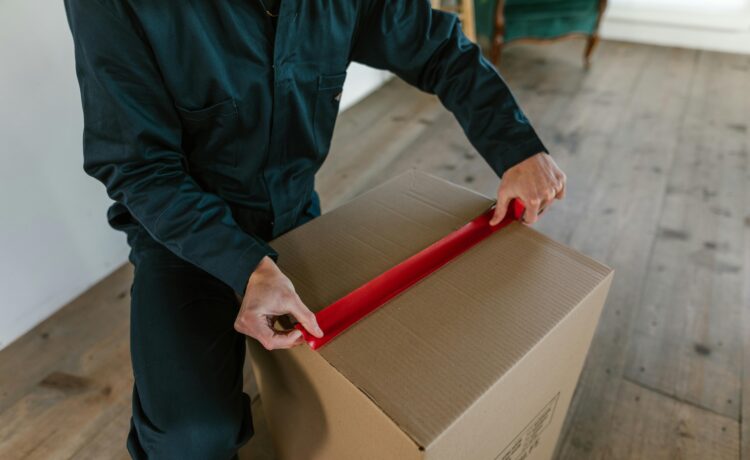
Tape is a must-have. Invest in high-quality packing tape that can withstand the weight of your items without breaking. A tape dispenser makes application quicker and hassle-free.
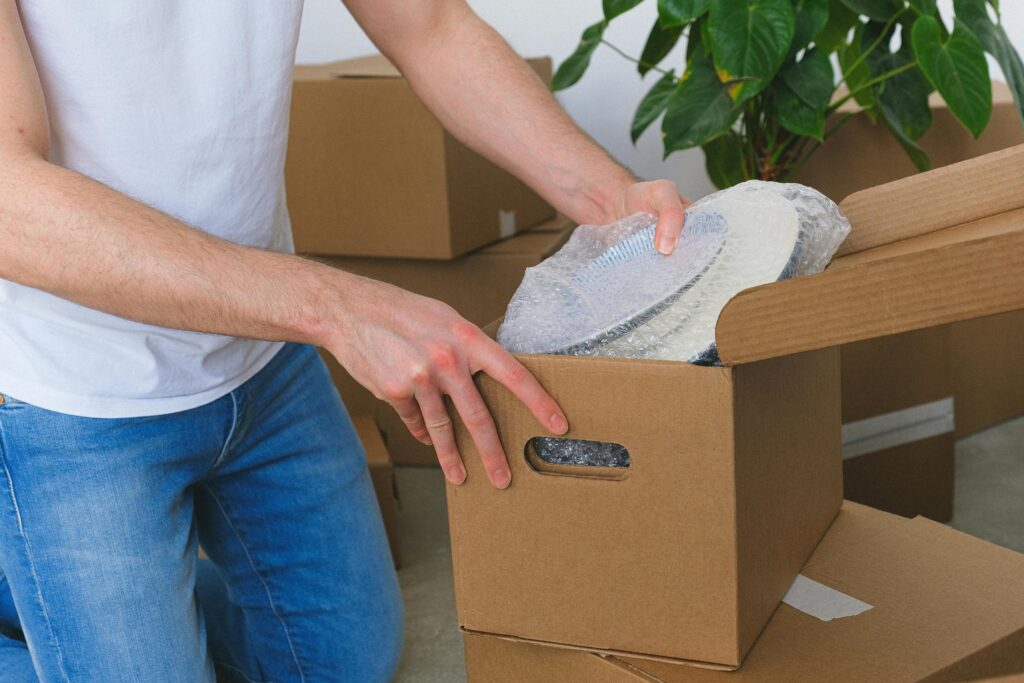
Don’t forget bubble wrap or foam sheets for extra protection, especially for delicate items. These cushioning materials absorb shock during transit.
Markers come in handy too. Label each box clearly so you know what’s inside when it comes time to unpack.
Pack some ziplock bags for small parts like screws or chargers—they help keep things organized and easy to find later on. Having these essentials ready will make your packing process smoother and more efficient.
Organizing and Categorizing Items
Organizing and categorizing your belongings can transform a daunting packing task into a manageable one. Start by grouping similar items together. This could mean placing all kitchen supplies in one box or keeping books in another.
Labeling is crucial for this process. Use clear, concise labels to identify contents easily. This simple step saves time when unpacking later on.
Consider the frequency of use for each item as well. Keep essentials like toiletries and clothes you wear daily accessible; pack less frequently used items deeper into boxes.
Using color-coded labels or bins can also streamline organization. Assign colors based on categories—like holiday decorations versus everyday dishes—to make locating specific items even easier during the unpacking phase.
Taking these steps not only declutters but also ensures that everything has its place, making your moving experience smooth and efficient.
Maximizing Space and Efficiency
When packing, every inch counts. Getting creative with space can drastically improve efficiency.
Start by using uniform box sizes. This not only simplifies stacking but also maximizes vertical space in your vehicle or storage area. Consider nesting smaller items within larger ones to optimize room further.
Rolling clothes instead of folding them is another clever technique. It reduces wrinkles and makes it easier to fit garments into tight spots.
Utilize drawer dividers or small boxes for miscellaneous items like batteries or chargers. This keeps everything organized while minimizing wasted space.
Don’t forget about the gaps! Fill empty spaces with soft materials such as towels or blankets, which offer extra cushioning for fragile items too.
By being strategic about how you pack, you can save time and reduce stress during the moving process.
Fragile Item Handling
Handling fragile items requires special care and attention. These delicate possessions, whether they are glassware, electronics, or heirloom collectibles, need protective strategies to ensure their safe transport.
Start by using bubble wrap or packing paper for cushioning. Wrap each item carefully and secure it with tape. This extra layer protects against bumps during transit. It’s also important to allocate space in the box for these items so they don’t shift around.
Labeling is crucial when dealing with fragile goods. Clearly mark boxes as “fragile” on multiple sides. This notifies movers of the contents inside and prompts them to handle those boxes with more caution.
Consider using dividers or individual compartments within larger boxes for smaller fragile items like dishes or figurines. This helps prevent any contact that could lead to chipping or breaking.
Always pack heavier items at the bottom of the box and lighter ones on top. This strategy minimizes pressure on your fragile belongings during movement.
By implementing these techniques, you can greatly reduce the risk of damage to your most treasured possessions while ensuring a smoother moving experience overall.