




Microscopic Root Canal Therapy: How Technology Improves Success Rates

62Views
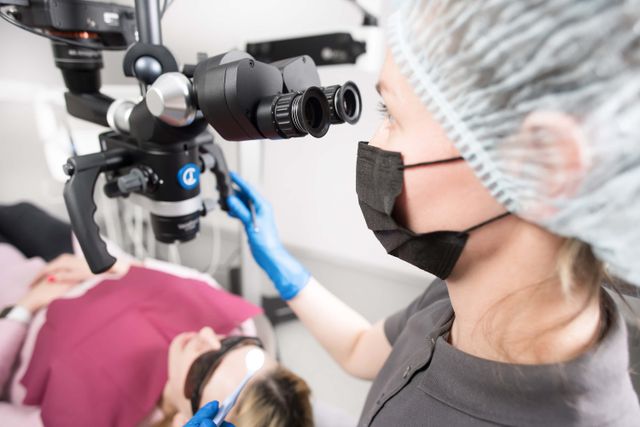
Root canal therapy remains one of the most tried and true ways to save a tooth that’s been ravaged by deep decay, trauma or infection. However the standard treatment has had its problems, mainly because it’s very tricky to see what’s going on deep inside the tooth’s intricate root system. But with the introduction of microscopic root canal therapy, which uses a dental microscope (that’s a high-tech tool for the uninitiated) with super-powerful magnification and focused light, the precision of root canals has taken a huge leap forward. As patients increasingly research advanced treatment options before scheduling consultations, resources such as dentistryonsolent.com.au often discuss modern dental technologies that contribute to improved clinical outcomes.
Why Does Conventional Root Canal Therapy Fail?
Time and time again, studies have shown that if you don’t get to the root of the problem (no pun intended), the treatment is unlikely to work for long. Teeth have lots of tiny canals and branches that are impossible to spot with the naked eye on your own. One particular area of trouble is the upper first molar. This tooth often has an extra canal, but it gets missed all too often during standard treatment.
What Is the advantage of the Dental Microscope?
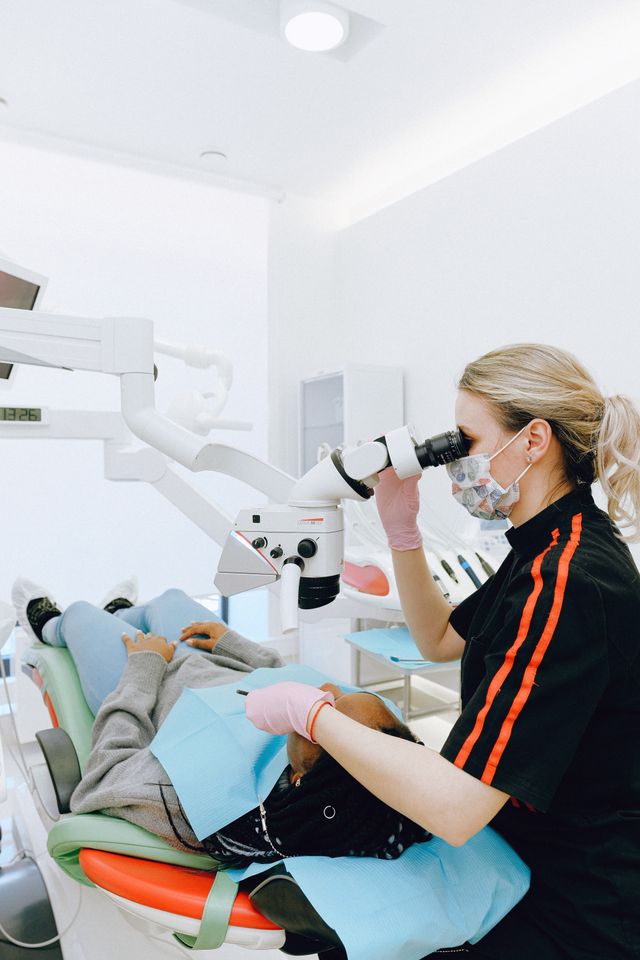
A dental microscope helps you magnify, from 3 to 25 times, and the “plus” is that it allows a lot of light to pass through it, so that you can find a clear visualisation of the situation inside the tooth. This is because you will be able to see the various issues such as the presence of additional canals, small cracks, and calcifications.
There are numbers that don’t lie. A 2025 microsurgical study found a significant improvement in the results for root canals that were performed using a microscope compared to those performed the old-fashioned way. The chances of success were actually 2.91 times greater through the use of the microscope than when using traditional methods of observing. Or, 3.25 to one under a slightly looser definition.
Success Rates in Complex and Retreatment Cases
Microscopic root canal treatment is most likely to be evident in the most challenging treatments. But when it gets super complicated, it could be a mottled (or “calcified”) canal, a broken instrument or a past treatment that didn’t work the level of detail required is just too deep to get from a standard inspection.
A study that looked at 164 tough retreatment cases that got treated using dental operating microscopes and ultrasonic instruments found that, all things considered, 82.93% of those canals were a success and 83.06% of the teeth were too. What’s also fascinating in this is that if there is a post in between, then the microscope has made it completely possible for it to be managed. Demonstrating how much it can do when you have a difficult technical challenge to deal with.
A second project, involving 345 teeth in pretty bad shape, has found that a microscope is of significant help in resolving the difficult canals–74.4% of them, in fact, and 71.3% of those with problems. We also found that sometimes the person who failed to find a canal is the first person, which is why more often than not the canal fails, we reached success rates of 82.5% in those cases.
Long-Term Outcomes and Tooth Preservation
Don’t get me wrong, getting the treatment right away is a big deal. At the end of the day, what really matters is whether that tooth is still hanging in there years down the line. Several systematic reviews have taken a close look at how endodontic microsurgery and microscope-assisted treatment stack up over longer and longer periods of time.
A big meta-analysis that dug into all the randomised trials and prospective studies around found that where you get those results over longer follow-up periods usually anywhere from a couple of years to thirteen years the success rate was 91.3% for the randomised trials and 78.4% for the prospective studies. The tooth survival rates were also pretty good, ranging from 79 to 100% during that time. Another study that looked at 652 microsurgical cases found a success rate of 80.5% and the 5-year survival rate was 83.5%.
Technology Alone Is Not Enough
Now I know the evidence really stacks up in favour of microscopic root canal therapy. But technology doesn’t make everything better. What does influence the outcome is a whole range of other factors, like whether or not someone’s a smoker, if they’ve got any periodontal disease, the position of the tooth, the quality of the restoration, and any flaws in the tooth itself. The microscope is great, but you can’t ever rely on just one thing alone.
Tags:KS