





Photography has always gone beyond documenting reality, and this fact brings emotion, memory, and human connection into focus. It focuses on telling stories, preserving emotions, and building visual narratives that reach viewers with shared human feelings. Emotional moments appear during daily life or major events, and people often feel concern because these moments pass quickly. Capturing such moments needs technical skill, yet it also demands a creative approach to composition and scene control. Through framing, balance, and guiding the viewer’s eye, photographers change ordinary scenes into images that bring emotional response.
Across Australia, diverse landscapes and communities offer chances for visual storytelling, which creates interest and creative pressure. Many photographers feel a connection toward moments of intimacy and connection found within people and shared experiences. A wedding photographer Melbourne may watch gestures between couples, guest laughter, or parent tears during real moments. These moments do not follow staging, and they appear naturally, which can cause tension during fast decision-making. Composition techniques support capturing moments in ways that reflect truth and lasting meaning without altering reality. Emotional photography succeeds when the photographer anticipates moments and frames them with care and creative intent.
Guiding Emotion Through Leading Lines
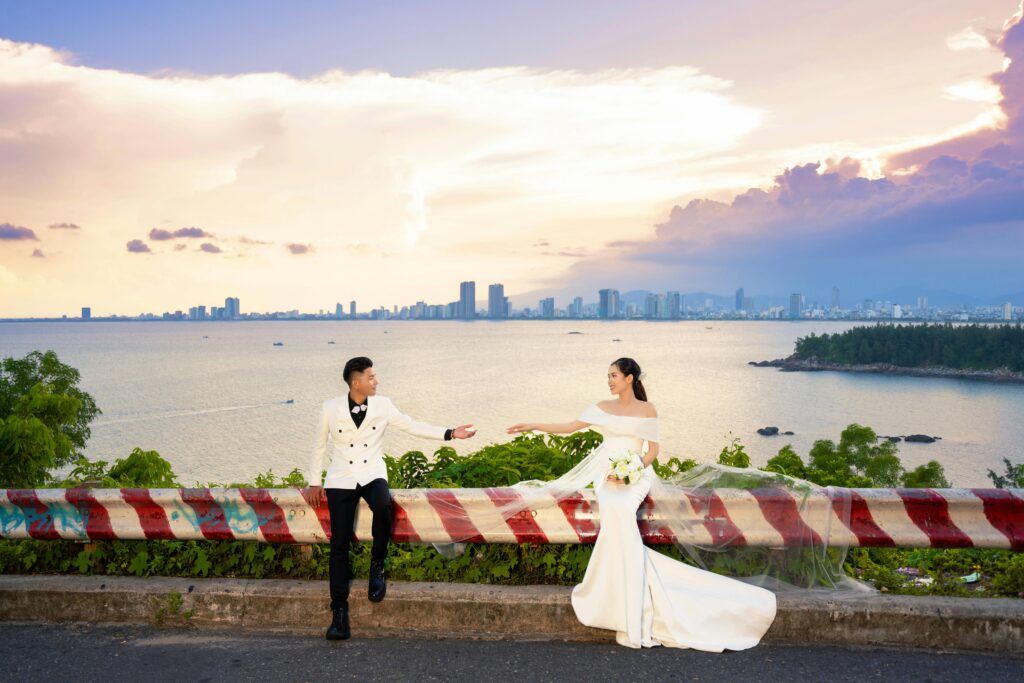
Leading lines act as core tools in composition, and this role often creates strong focus during image capture. They guide the viewer’s gaze toward the subject, and this movement brings intention and emotional attention. Within emotional photography, leading lines highlight the connection between people or mark the importance of a gesture. For example, a pathway curve toward a couple embracing can represent the journey shared together. Likewise, table lines with family members pull focus toward one figure showing joy or nostalgia. Across Australian cities, building lines allow the framing of emotional interaction against city backdrops. Meanwhile, landscapes offer lines from rivers, fences, or tree branches that guide the eye toward human subjects.
Framing for Intimacy and Connection
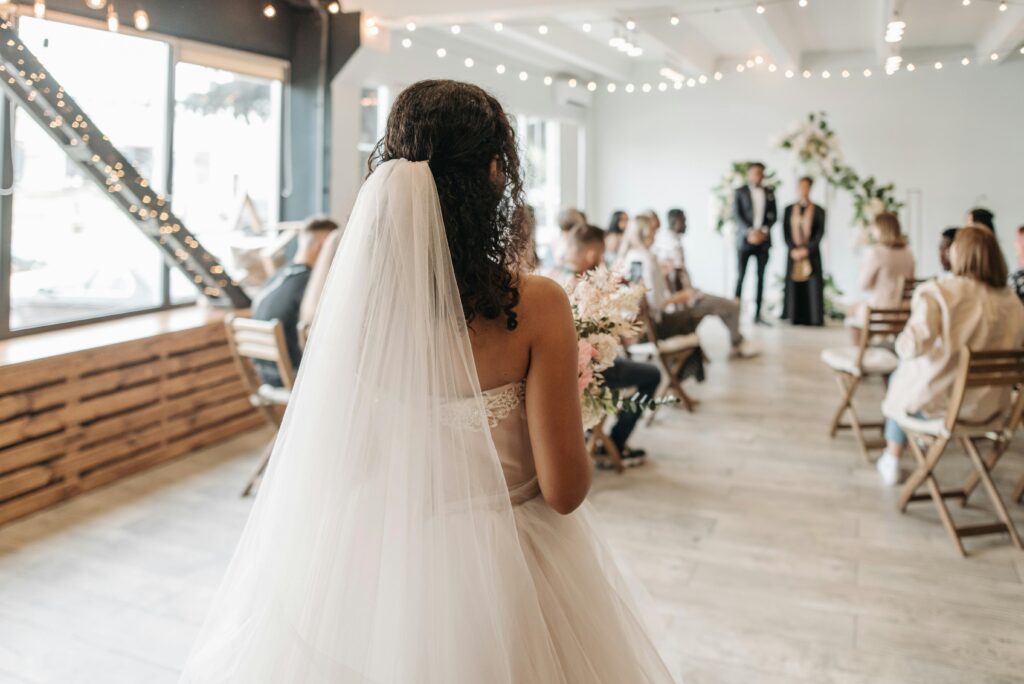
Framing is a trick photographers use to make their stories more emotionally engaging & bring out the intimacy of a moment. By picking up on elements in the scene to naturally frame the subject, photographers can make the closeness of a couple or the tenderness of a family feel like you’re right there yourself. It could be a doorway, a window or an arch framing them up, or out in the wild, some overhanging branches or a rock face to make their tiny human presence pop against a massive landscape.
Playing with Perspective and Angles
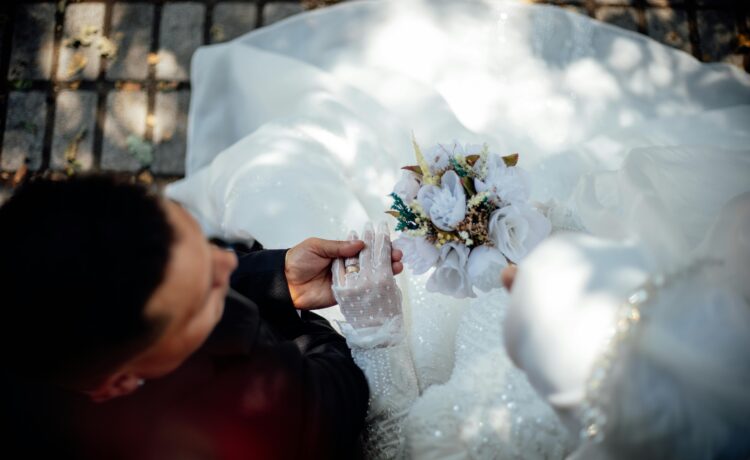
How you stand when you’re clicking that shutter is going to affect how your photos feel to the viewer and that’s especially true when you’re trying to capture some emotional depth. Shooting from down low can make your subject look powerful or significant, whereas if you’re higher up, they can look vulnerable or tender. When you’re dealing with a particularly emotional shot, playing around with your perspective is a good way to get that feeling to come across. Like, a kid looking up to their parents would look super innocent and admiring if you’re snapping from their level. On the other hand, shooting a couple from above as they share a quiet moment is a great way to highlight the intimacy in the scene.
Balancing Light and Shadow for Mood
Light in photography is basically magic; it can instantly change the mood of a shot. Soft natural light can be really warm & tender, whereas super strong contrasts between light and dark can make your image look intense or dramatic. If you pay attention to the quality of light, you can have a huge impact on the overall feel of your image. Take for example, a couple snuggling up as the sun sets the golden light can make the whole scene feel super romantic. Similarly, if you’re shooting indoors, the shadows can add a real depth of feeling to the photo, like a person lost in thought. Aussie photographers are lucky because they get to play with light that varies so much from the bright & clear city sun to the softer tones of the countryside.
Tags:KS