






Imagine a classroom where students are not just sitting at desks, but climbing mountains and navigating rivers. Adventure-based programs are redefining the way we approach education by blending learning with excitement. These hands-on experiences ignite curiosity and foster teamwork while teaching valuable life skills. As traditional methods evolve, educators are embracing adventure as an effective tool to engage learners in ways that textbooks alone cannot achieve. Let’s dive into the world of adventure-based learning and discover how it transforms education into something extraordinary.
Benefits of adventure-based learning in education
Adventure-based learning transforms traditional education into an hands on educational school camps. It captivates students’ attention and fosters a love for learning.
One significant benefit is enhanced engagement. Students actively participate, rather than passively absorbing information. This hands-on approach stimulates curiosity.
Social skills flourish in these experiences. Teamwork becomes essential as students collaborate on challenges, building communication and leadership abilities along the way.
Additionally, adventure-based programs promote resilience. Facing obstacles teaches perseverance and problem-solving skills that are vital in both academics and life.
Another advantage is real-world application of knowledge. Concepts learned in the classroom come alive through outdoor activities or simulations, making lessons relevant and memorable.
Adventure-based learning supports emotional development. Overcoming fears or taking risks boosts confidence levels while fostering a supportive community among peers.
Examples of successful adventure-based programs
One standout example is the Outward Bound program. It immerses students in wilderness challenges, fostering teamwork and resilience. Participants navigate through rugged terrain, learning survival skills while building confidence.
Another notable initiative is Adventure Education at the University of Utah. This program blends academics with outdoor experiences, allowing students to engage deeply with their studies. They tackle real-world problems through hands-on activities that spark curiosity and creativity.
Then there’s the National Outdoor Leadership School (NOLS). With a focus on leadership development, NOLS equips participants with practical skills for various environments. Students learn everything from rock climbing to backcountry navigation—skills that translate directly into personal growth.
These programs not only enhance academic engagement but also promote life skills essential for future success. The adventure becomes a powerful teacher in ways traditional classrooms often cannot replicate.
Incorporating adventure into traditional academic subjects
Integrating adventure into traditional academic subjects can transform how students engage with the material. Imagine a history lesson that takes place on a simulated archaeological dig, where students unearth artifacts and analyze their significance.
Math can also benefit from this approach. Consider organizing a treasure hunt where students solve equations to uncover clues leading them to the next location. This not only reinforces math skills but makes learning dynamic and fun.
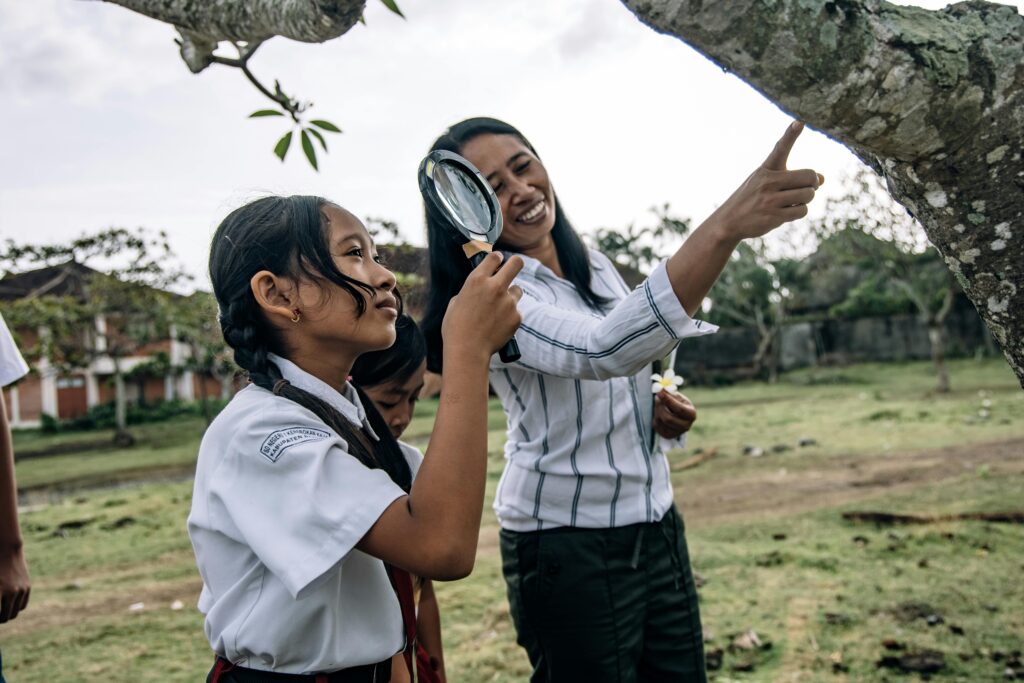
Science education can thrive through outdoor experiments. Students might explore local ecosystems, collecting samples and analyzing data in real time. This hands-on experience solidifies concepts far better than textbook examples.
Language arts classes could feature storytelling sessions around campfires or role-playing historical figures during debates. Such activities encourage creative expression while improving communication skills, making literature feel alive and relevant.
Adventure brings excitement into lessons, fostering curiosity and deeper understanding across all subjects.
Practical application of skills learned through adventure-based programs
Adventure-based programs offer learners a unique opportunity to apply skills in real-world settings. Through hands-on experiences, students engage in critical thinking and problem-solving while navigating challenges that are often outside their comfort zones.
For instance, consider how teamwork is fostered when groups tackle outdoor activities like rock climbing or obstacle courses. Each member must rely on others, strengthening communication and collaboration skills. These lessons extend beyond the walls of the classroom into everyday life.
Moreover, adventure learning promotes resilience. When facing setbacks during an expedition or project, students learn to adapt and overcome adversity. This mindset builds confidence that translates into academic pursuits as well.
The practical applications are endless—whether it’s developing leadership qualities through guiding peers or honing decision-making abilities under pressure. Students step away with not just knowledge but applicable skills they can carry throughout their lives.
Bringing adventure into education creates empowered individuals ready to face future challenges head-on with creativity and determination. It’s more than a fun outing; it’s about paving pathways for success both academically and personally.